China Top Womens Fashion Buying Factors?

Time:2026-09-06 Author:Aria
0%

China’s women’s fashion market is shaped by practical needs, digital habits, and changing cultural preferences. Shoppers may compare prices on mobile platforms, inspect fabric details, and read customer photographs before placing an order. A stylish image can attract attention, but reliable sizing and comfortable materials often determine whether the purchase feels worthwhile.

This raises an important question: what factors influence women's fashion purchasing decisions in China? Price remains significant, especially when consumers can compare similar products across marketplaces. Yet low cost alone rarely guarantees trust. Fit, fabric quality, color accuracy, delivery speed, return policies, and seller reputation also matter. Small details count. A smooth zipper, breathable lining, or clearly measured sleeve can influence confidence.

Social media adds another layer. Short videos, livestream demonstrations, and recommendations from trusted creators can make a new style feel familiar. However, popularity does not always equal quality. That assumption can fail. Regional climate, workplace expectations, age, body shape, and spending power create different priorities among consumers. A lightweight dress may suit Guangzhou’s heat, while a structured coat may matter more in northern cities.

Reliable analysis should combine consumer research, marketplace observations, and direct feedback rather than relying on stereotypes. Brands need to examine actual reviews, repeat purchases, and return reasons. Personal experience can reveal practical problems, but it should not replace broader evidence. China’s fashion buyers are not one uniform group. Their decisions change with seasons, occasions, income, and confidence in the seller. Understanding these nuances offers a more credible foundation for evaluating leading women’s fashion buying factors.
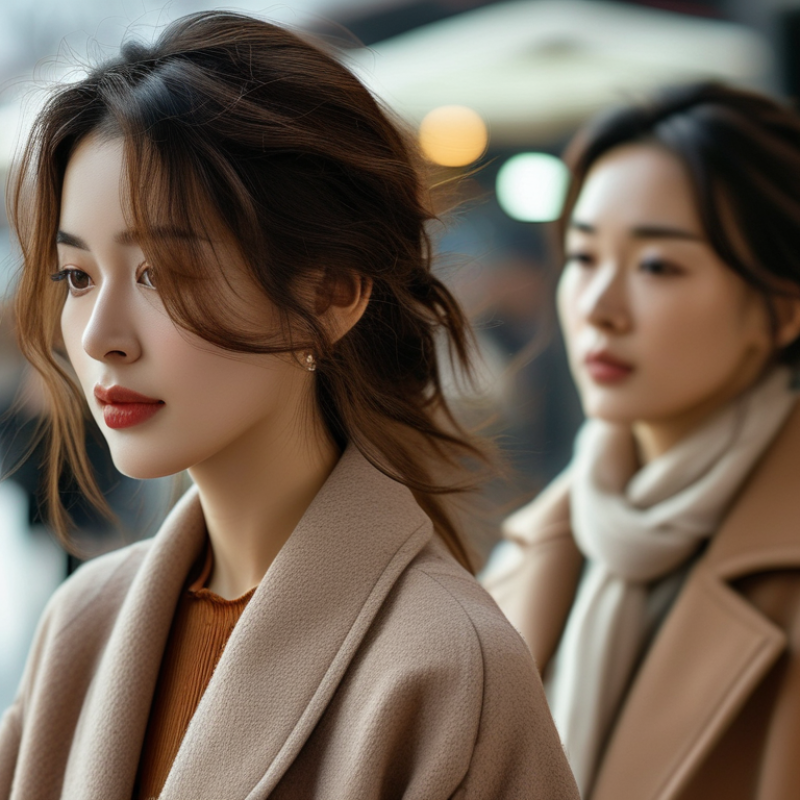
China Top Womens Fashion Buying Factors?

Market Overview of Women’s Fashion in China

China’s women’s fashion market is shaped by changing lifestyles, digital shopping, and regional differences. Urban consumers often compare fabric, fit, price, and delivery speed before buying. Product pages with clear measurements reduce uncertainty, especially for online shoppers.

Fit still matters.

Many women prefer versatile clothing for offices, commuting, social gatherings, and weekend activities. Breathable fabrics suit warmer southern cities, while layering remains important in northern regions. Seasonal demand can shift quickly because of weather changes, short-video trends, and local festivals. Practical design often wins over decoration alone.

Trust strongly influences purchasing decisions. Customers examine buyer reviews, return policies, fabric descriptions, and real-life photographs. Responsive service can also encourage a second purchase. However, price sensitivity is not uniform. Younger shoppers may seek affordable trend pieces, while mature consumers may pay more for comfort and durability. This division is useful, but incomplete. Income, city size, body shape, and personal identity create many smaller segments.

That assumption fails.

Fashion businesses entering China should monitor local search behavior and test products in limited groups. They should measure repeat purchases, return reasons, and customer questions, not only sales volume. A stylish item may attract attention but still underperform if sizing is unclear. Market data provides direction, while direct customer feedback reveals practical problems. Even experienced teams can misread demand when they treat China as one market.

Key Cultural and Lifestyle Influences on Fashion Choices

Chinese women’s fashion choices are shaped by culture, mobility, and daily practicality. Clothing must move between several settings: offices, family gatherings, cafés, and short city trips. A soft jacket may signal professionalism at work, then remain comfortable on a crowded metro. This flexibility matters more than runway novelty. The McKinsey 2024 China Consumer Report notes stronger consumer attention to value, quality, and emotional satisfaction. Fashion purchases increasingly need to justify their place in a careful household budget.

Lifestyle changes are equally visible online. The CNNIC Statistical Report on China’s Internet Development recorded 915 million online shopping users by December 2023. Digital shopping has made comparison easier, but it has also increased expectations for clear sizing, fabric details, and real customer experiences. Younger women often examine review photos before checking color trends. They may choose breathable fabrics for humid summers, loose silhouettes for commuting, or washable materials for busy family routines. Small practical details can decide the purchase.

Culture adds another layer. Subtle colors, refined tailoring, and modest styling may feel appropriate for professional or family occasions. Yet younger consumers also reinterpret traditional patterns through relaxed cuts and everyday accessories. This is not a simple return to heritage. It is selective and sometimes inconsistent. A survey may show interest in cultural design, but actual wardrobes still depend on price, weather, body comfort, and workplace expectations. Assuming one “Chinese woman” is a mistake. Regional climate, age, income, and confidence can change the decision completely.

Price, Quality, and Value Considerations

Price remains a powerful factor in China’s women’s fashion market, but low price alone rarely secures trust. The National Bureau of Statistics reported that China’s online retail sales of physical goods reached 13.08 trillion yuan in 2024, increasing 6.5% year on year. This scale shows strong digital demand, yet shoppers can compare prices within seconds. A 399-yuan jacket feels reasonable when its fabric, stitching, and fit appear dependable. A cheaper jacket may feel expensive after one wash.

Quality must be visible, not merely claimed. Online shoppers often examine close-up fabric images, size charts, lining details, and customer photos before purchasing. The China Internet Network Information Center recorded 915 million online shopping users by December 2023. This large audience creates intense pressure for accurate product information. Industry analysis from McKinsey’s China consumer research also highlights stronger value-conscious behavior during uncertain economic periods. Value means more than a discount. It includes comfort, durability, useful design, and fewer return problems.

Still, value is difficult to measure before delivery. My own buying assumption needs correction here. A higher price does not always guarantee better construction. A practical evaluation should compare cost per wear, material composition, washing instructions, and repairability. Fit remains the uncomfortable variable. Even excellent fabric cannot rescue poor sizing. Fashion sellers that explain these details clearly may earn credibility, although transparent information can expose weaknesses too. That risk is real.

China Women's Fashion Buying Factors: Price, Quality, and Value Considerations

Quality and value for money are presented as slightly stronger purchase considerations than price alone. The index is a non-brand consumer-priority comparison, where 100 represents the highest relative importance.

Interpretation: Chinese women's fashion shoppers may evaluate the durability and performance of an item together with its overall value, rather than relying only on the lowest price.

Brand Trust, Design Preferences, and Product Features

China Top Womens Fashion Buying Factors?

For many women in China, brand trust begins with clear product information. Shoppers examine fabric details, size charts, care labels, and customer reviews before purchasing. A reliable seller shows real garment photos, accurate measurements, and responsive service. Delivery promises also influence confidence, especially for seasonal clothing. One missing detail can create doubt.

Design preferences often balance personal style with daily practicality. Soft colors, clean tailoring, and adaptable silhouettes suit office commutes and weekend activities. Younger buyers may choose bold patterns, cropped shapes, or layered looks influenced by digital fashion culture. However, attractive images do not guarantee a good purchase. Buyers still check whether the color matches indoor lighting and street photos.

Product features strongly affect perceived value. Breathable fabric matters during humid summers, while lining and stretch improve comfort in cooler months. Functional pockets, smooth zippers, secure buttons, and machine-washable materials can make a garment more useful. Fit remains complicated because body shapes vary widely across regions. Standard sizing helps, but it is never perfect. From practical buying experience, a slightly flexible waist often feels more comfortable than a fashionable but rigid cut. Some shoppers may also overlook seam quality when a discount seems attractive. That choice can disappoint after several washes. Repair guidance and a straightforward return process therefore support long-term trust.

Shopping Channels and Digital Buying Behavior

China’s women’s fashion shoppers increasingly begin with a smartphone, not a physical store. Short videos, livestreams, and search results help them compare styles within minutes. A clear size chart matters, especially when shoppers cannot touch the fabric. Photos showing movement also build confidence better than polished studio images alone.

Digital buying behavior is highly practical. Many shoppers save several items, read recent reviews, and check customer photos before paying. Delivery speed, return rules, and secure payment strongly influence the final decision. Live shopping adds personal guidance through real-time questions about fit, color, and fabric weight. It can feel more human.

But digital convenience does not guarantee trust. Some product videos exaggerate colors or hide poor stitching. I have seen shoppers abandon a purchase after finding inconsistent measurements between pages. That hesitation is reasonable. Fashion sellers should provide measured garment data, model height, fabric details, and honest limitations. Even then, sizing remains imperfect. Body shape differs widely, and one chart cannot serve everyone.

Mobile platforms also encourage impulse purchases through limited-time messages and personalized recommendations. These tools attract attention, but thoughtful buyers still compare prices and return conditions. The strongest shopping experience connects discovery, evidence, payment, and after-sales support without making the process feel rushed.

FAQS

: What shapes Chinese women’s fashion choices?

: Culture, climate, commuting, family life, and household budgets all matter. A soft jacket can move from an office to a crowded metro. Runway novelty is not always practical.

Why are versatile clothes popular?

Many women need clothing for work, cafés, family gatherings, and short city trips. Relaxed tailoring and washable fabrics support busy routines. One garment can serve several settings.

How does climate affect fashion purchases?

Humid summers increase demand for breathable fabrics and loose silhouettes. Cooler months make lining and stretch more valuable. Weather can defeat a beautiful design.

What details build trust during online shopping?

Shoppers often check fabric content, exact measurements, care labels, and recent review photos. Real garment images help more than polished studio pictures. Missing details create doubt.

Which product features improve everyday value?

Functional pockets, smooth zippers, secure buttons, and machine-washable fabric add practical value. A flexible waist may feel better than a rigid fashionable cut. Small details matter.

How do digital platforms influence fashion buying?

Smartphones help shoppers compare styles, prices, reviews, delivery times, and return conditions quickly. Short videos and live sessions can answer fit questions immediately. Convenience can also encourage impulse purchases.

Why do sizing problems remain common online?

Body shapes vary across regions, ages, and personal preferences. One size chart cannot serve every shopper perfectly. Measured garment data helps, but it is still incomplete.

How do cultural elements appear in modern clothing?

Younger shoppers may combine traditional patterns with relaxed cuts and simple accessories. Their choices are selective, not always consistent. Actual purchases still depend on comfort, price, weather, and workplace expectations.

What can fashion sellers improve?

They should show model height, garment measurements, fabric weight, movement, and honest color photos. Clear returns and repair guidance support longer-term trust. Perfection is unlikely.

Conclusion

China’s women’s fashion market is shaped by rapid urbanization, changing lifestyles, cultural traditions, and growing interest in personal expression. Consumers often seek clothing that balances modern style with practicality, comfort, seasonal suitability, and social expectations. When considering what factors influence women's fashion purchasing decisions, price, quality, durability, and overall value are especially important. Many shoppers compare materials, construction, fit, and versatility before making a purchase, while also paying attention to design details, color preferences, sizing options, and functional features.

Trust also plays a major role in the buying process. Clear product information, reliable service, authentic reviews, and consistent quality can strengthen consumer confidence. Digital platforms have become central to fashion discovery and purchasing, with shoppers using mobile devices to browse trends, compare prices, watch product demonstrations, and read customer feedback. Online convenience, personalized recommendations, secure payment, and flexible delivery further influence decisions, while physical stores remain useful for checking fabric, fit, and comfort before buying.

Aria

Aria

Aria is a dedicated marketing professional with a deep passion for innovative strategies and a keen understanding of our company's product offerings. With a wealth of experience in the industry, Aria excels at crafting engaging content that highlights the unique features and benefits of our......